Baby Cake Font for Web Design Projects
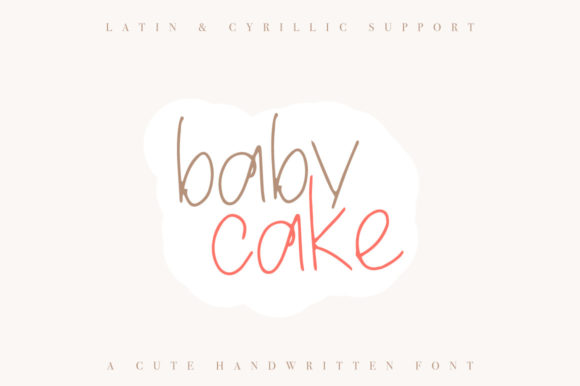
When I started working on a new creative portfolio site, one of the first decisions was choosing the right font. The goal was to create a warm, approachable brand identity that felt both professional and playful. That’s when I came across Baby Cake—a script font from Script Amp that immediately stood out with its soft curves and charming character.
What Makes Baby Cake Unique
Baby Cake is more than just a decorative script font; it has a personality that feels hand-drawn yet refined. Its gentle strokes and slightly uneven lines give it an organic, handwritten feel, making it perfect for adding a personal touch to digital projects. The font carries a sweet and playful mood without being overly whimsical, which makes it versatile enough for various design contexts.
I tested Baby Cake in several places: hero sections, blog headers, and even as a call-to-action button text. It worked best when used sparingly, such as for headlines or accents rather than large blocks of text. This helped maintain readability while still keeping the visual interest high.
Using Baby Cake in Real Web Design Scenarios
On a boutique online store project, I used Baby Cake for the main headline in the hero section. The font paired well with a clean sans-serif body font, creating a nice contrast between the decorative title and the straightforward product descriptions. The result was a balance between creativity and clarity.
For a coaching website, Baby Cake was ideal for the “Start Your Journey” CTA button. It added a friendly tone that aligned with the brand’s message of support and guidance. I made sure to keep the background light enough to ensure the font remained legible, especially on mobile screens.
Another use case was in a digital brand kit where Baby Cake was used for logo text and promotional banners. It gave the brand a cohesive look that felt both modern and approachable. When paired with a serif font for body copy, it created a layered typographic system that enhanced the editorial quality of the content.
Readability and Responsiveness Considerations
While Baby Cake looks great on desktop, I had to be careful with how it appeared on smaller screens. I tested it at different sizes and found that it works best for short phrases and headings. For longer text, using a simpler font like a sans-serif typeface ensured better readability across all devices.
I also considered how the font would look against different background colors. On dark backgrounds, I used a lighter version of Baby Cake to maintain visibility. For image overlays, I adjusted the opacity slightly to prevent the text from blending into the visuals behind it.
Performance was another factor. Since Baby Cake is a webfont, I made sure to optimize its loading speed by using a font loader and limiting the number of font weights I included. This helped keep the page load time fast, which is crucial for user engagement and SEO.
Font Pairing and Brand Consistency
Pairing Baby Cake with a complementary font was key to achieving a balanced layout. I often used a simple sans-serif font like Montserrat or Open Sans for body text. This combination allowed Baby Cake to stand out in headlines while ensuring the rest of the content remained easy to read.
For a more elegant look, I experimented with pairing Baby Cake with a serif font like Playfair Display. This worked well for a blog redesign where the brand wanted to convey a sense of sophistication alongside creativity.
It’s important to consider the overall brand voice when selecting fonts. Baby Cake adds a touch of playfulness, but it should always serve the brand’s message rather than overshadow it. Using it consistently across headers, buttons, and logos helps reinforce brand recognition and trust.
Choosing the Right Styles and Licensing
Before implementing Baby Cake on any client project, I checked the available styles and weights. The font offers several variations, including regular and bold options, which provided flexibility for different design elements. I also verified that it supports multiple languages and includes proper alternates for characters like apostrophes and ligatures.
Licensing was another consideration. As a commercial font, Baby Cake requires proper licensing if it's used on websites, landing pages, or digital templates. I made sure to review the license agreement carefully to avoid any legal issues, especially when working on client projects or online stores.
Overall, Baby Cake proved to be a valuable addition to my design toolkit. It brought a unique personality to the projects I worked on and helped elevate the visual appeal without compromising usability. Whether you're designing a course sales page, a campaign landing page, or a small business website, Baby Cake can be a great choice when used thoughtfully and strategically.