Aprilra: A Handwritten Script Font That Breathes Life Into Editorial Moments
It was late afternoon—coffee cooling, tabs open to three different layout mockups—and I was rethinking the header for a seasonal lifestyle blog newsletter. The tone had shifted: warmer, more personal, less “curated feed,” more “thoughtful companion.” The existing sans serif felt crisp but distant. What I needed wasn’t louder typography—it was softer intention. That’s when I opened Aprilra.
A Font That Feels Like a Thoughtfully Placed Brushstroke
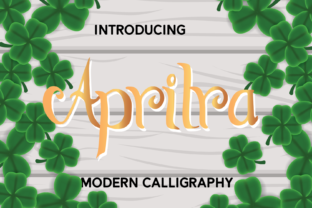
Aprilra is a premium handwritten script font from Script Amp, designed not as decoration, but as quiet editorial voice. Its rhythm is unhurried—gentle entry strokes, subtle swelling in mid-character, and graceful exits that linger just long enough to invite attention without demanding it. There’s no forced flourish or overwrought drama; instead, Aprilra carries the warmth of ink on textured paper, the confidence of practiced handwriting, and the restraint of intentional design. It doesn’t shout “look at me”—it leans in and says, “let’s begin here.”
Where Aprilra Finds Its True Editorial Home
In real use—across a digital magazine cover, a recipe ebook title page, a coaching workbook chapter opener, or even a printable planner’s section divider—Aprilra excels where emotional resonance matters most. It works beautifully at sizes 24pt and up, especially in PDF exports and high-resolution print layouts. On screen, it holds clarity in newsletter headers and social media graphics when paired with sufficient line spacing and contrast against clean backgrounds.
For example, in a wedding guide PDF, Aprilra set the tone instantly: the cover title softened the formality of the subject while still feeling elevated; chapter headings became gentle transitions rather than rigid breaks. In a printable gratitude journal, its fluidity encouraged reflection—not distraction. And in a weekly newsletter graphic highlighting a single quote from a guest contributor? Aprilra gave that sentence presence, dignity, and warmth—without sacrificing legibility.
What It Does Well (and Where to Pause)
Aprilra is a display font first and foremost. It shines in titles, pull quotes, cover text, logo design accents, and decorative section dividers. Its personality supports visual hierarchy by drawing the eye naturally to moments that deserve emphasis—like a hand-drawn underline beneath a key insight, or a softly curved “Chapter One” at the start of a course PDF.
That said, it’s not built for body copy, dense captions, footnotes, or mobile-first navigation menus. At small sizes—or in tight line-heights—it loses its grace and begins to blur. For long-form reading, always pair Aprilra with a highly readable serif font (like a warm Garamond or Charter) for paragraphs, or a neutral sans serif (think Inter or Lato) for subheads and UI elements. This pairing isn’t just aesthetic—it’s functional: Aprilra sets the mood; the supporting typeface carries the meaning.
Practical Notes for Real Publishing Workflows
Before dropping Aprilra into your next project, check what’s included. The full version offers OpenType features like contextual alternates and ligatures—subtle variations that prevent repetition and add organic flow, especially helpful in longer titles or repeated words like “the” or “and.” It also includes multilingual support for Western European languages, which matters if your ebook or newsletter reaches readers beyond English-only audiences.
Licensing is straightforward but essential: Aprilra is a commercial font, so verify usage rights before embedding it in client-facing templates, paid digital downloads, or editable Canva kits. For static PDFs, web-optimized versions (WOFF2), or PNG/SVG exports, it performs reliably—just avoid using it as live text on sites without proper web font licensing.
Designing With Intention, Not Just Aesthetics
What makes Aprilra feel different from other script fonts isn’t just its curves—it’s how it invites consistency without rigidity. In a creator newsletter, using Aprilra only for the headline and one pull quote creates cohesion across issues, building recognition over time. In a printable planner, applying it sparingly—to weekly intentions or seasonal reflections—adds texture without overwhelming the user’s ability to scan and act.
I’ve seen it used thoughtfully in a digital magazine’s feature opener: Aprilra for the article title, a serif for the byline and deck, and a light sans for pull-out stats. The result? A clear hierarchy that breathes, where each typographic choice serves the reader—not just the designer.
It’s also worth noting how Aprilra interacts with color and texture. Against soft neutrals or muted pastels, its warmth deepens. Over photography with grain or linen overlays, it feels tactile—like part of the composition, not layered on top. That subtlety makes it especially effective in lifestyle, wellness, education, and creative entrepreneurship contexts, where authenticity and calm authority matter more than flash.
Ultimately, Aprilra doesn’t solve every typographic need—but it answers a very specific, very human one: how do we make written content feel personally addressed? Not mass-produced. Not algorithmically optimized. But quietly, confidently, hand-in-hand with the reader.
If you’re refining a blog header, designing a course workbook, or choosing a title font for your next ebook, try setting a single line in Aprilra—not to see if it “looks nice,” but to feel whether it aligns with the mood you want your audience to settle into. More often than not, that quiet moment of alignment is where strong editorial identity begins.