Hinatta: A Script Font That Elevates Editorial Design
There’s a moment in every design project when the right font makes everything click. I remember it clearly—sitting at my desk, staring at a blank blog header, trying to find that perfect balance between elegance and approachability. Then I discovered Hinatta, a script font with a rhythm so natural it felt like it had been waiting for this exact moment.
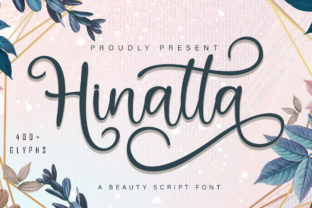
Hinatta belongs to the Script Amp category, and it’s one of those fonts that feels both modern and timeless. Its swashes are rich and expressive, yet they don’t overwhelm the reader. The character of Hinatta is soft but deliberate, making it ideal for editorial projects where visual storytelling matters as much as the content itself.
A Lifestyle Blog Redesign with Hinatta
I recently used Hinatta for a lifestyle blog redesign. The goal was to create a warm, inviting feel that would reflect the brand’s focus on wellness and creativity. For the header, I chose a bold variation of Hinatta, which gave the site a sense of movement and energy without sacrificing readability. It paired beautifully with a clean sans serif font for navigation and body text, ensuring that the design remained functional while still feeling artistic.
For section headings and pull quotes, Hinatta added just the right amount of personality. The flow of the letters made each title feel like a whisper of inspiration, drawing readers in without being too showy. It worked especially well for feature articles about mindfulness and self-care, where the tone needed to be gentle yet intentional.
Readability and Practical Use in Real Projects
One of the most important aspects of any font is how it performs across different mediums. Hinatta handles screen reading well, even at smaller sizes. When I tested it on mobile layouts, the curves and spacing held up nicely, maintaining clarity without becoming too stylized. In print, it looked equally elegant, whether in a recipe ebook or a wedding guide.
However, it's worth noting that Hinatta isn’t the best choice for dense paragraphs or small captions. Its expressive nature makes it more suited for titles, subtitles, and decorative accents rather than long-form body copy. For instance, using it in a coaching workbook for chapter openers gave the content a personal touch, while keeping the rest of the layout grounded with a readable serif font.
Font Pairing and Brand Identity
When working with a display font like Hinatta, the key is to pair it with a complementary typeface that provides contrast and stability. I found that pairing Hinatta with a modern serif font such as Merriweather or Georgia created a balanced look for digital magazines and course PDFs. This combination allowed the design to feel cohesive while maintaining hierarchy and readability.
For newsletters and printable planners, Hinatta worked well alongside minimalist sans serifs like Lato or Open Sans. This helped keep the overall layout uncluttered, while still allowing the font to shine in headlines and callout sections.
Before using Hinatta in any commercial project, it’s essential to check the included styles, ligatures, and multilingual support. The font comes with several weights and alternates, giving designers flexibility in their creative choices. Also, ensuring proper licensing is crucial, especially if the font will be used in paid newsletters, client publications, or downloadable content.
Creating Mood and Visual Hierarchy
The beauty of Hinatta lies in its ability to set the mood of a publication. Whether it’s a digital magazine, a wedding guide, or a printable planner, the font adds an air of sophistication and thoughtfulness. Its flowing lines and subtle variations in stroke width give it a handcrafted feel, which is especially appealing for content that aims to evoke emotion or connection.
In editorial layouts, Hinatta can be used to highlight key elements, such as article titles or section headers. Its presence helps guide the reader through the content, creating a natural visual hierarchy. When combined with other design elements like color and spacing, it becomes a powerful tool for shaping the reader’s experience.
While Hinatta may not be the go-to font for formal reports or technical documentation, it excels in creative and editorial contexts. Its versatility allows it to adapt to a wide range of projects, from a simple newsletter header to a full-scale digital magazine redesign.
If you're looking for a font that brings warmth, character, and a touch of elegance to your editorial work, Hinatta is definitely worth exploring. Its unique style and attention to detail make it a valuable addition to any designer’s toolkit.