Choosing Patriast for a Lifestyle Blog Redesign
It was a quiet afternoon when I sat down to rethink the look of a lifestyle blog. The header had grown stale, the titles lacked character, and the overall design felt like it was holding back the content. That’s when I discovered Patriast—a script font with an elegant feel that immediately caught my eye. It wasn’t just any font; it was a typeface that whispered charm and sophistication into every letter.
A Font That Feels Like a Personal Touch
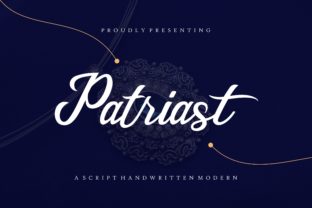
Patriast has this delicate balance between whimsy and refinement. Its curves are smooth but not overly flowing, and its strokes have a subtle weight that gives it presence without overwhelming the page. It feels like something you might find in a vintage journal or on a hand-painted sign—something crafted with care. This is a font that invites readers in, making them feel like they’re part of a story rather than just scanning text.
When I first tested it on a blog header, the difference was immediate. The title "Weekend Escapes" took on a new life with Patriast. No longer did it feel generic or flat—it now carried a sense of adventure and elegance. It was as if the font had given the headline a personal touch, making it more relatable and engaging.
Where Patriast Shines in Editorial Design
Fonts aren’t just about aesthetics—they play a crucial role in visual hierarchy and reader engagement. Patriast works beautifully for titles, subtitles, and pull quotes. Its decorative flair makes it perfect for drawing attention without being distracting. In a digital magazine layout, I used it for chapter openers and section headings, giving each part of the publication a consistent yet dynamic feel.
For a recipe ebook, Patriast added a soft, inviting tone to the title pages and ingredient lists. It worked especially well when paired with a clean sans serif font for body text. This combination created a balance between readability and style, ensuring that the content remained easy to digest while still feeling special.
In a wedding guide, Patriast brought a romantic and classic vibe to event titles and feature sections. It wasn’t too ornate, which would have made the text difficult to read, but it had enough personality to stand out. This made it ideal for both print and digital formats, where legibility across different mediums is essential.
Practical Considerations for Using Patriast
Before settling on Patriast for a project, it’s important to consider how it performs in various contexts. For screen reading, especially on mobile devices, I found that Patriast maintained its clarity even at smaller sizes. It didn’t become jagged or hard to read, which is a big plus for web-based content.
When exporting to PDF or print, I noticed that the font rendered beautifully, preserving its elegance without any distortion. This makes it a great choice for printable guides, worksheets, and course materials. However, for long-form content, I recommend using a complementary serif or sans serif font for body text to ensure readability over extended passages.
Font pairing is also key. Patriast pairs well with a modern sans serif font like Montserrat for captions and navigation, or with a traditional serif like Georgia for body copy. These combinations create a cohesive look while maintaining a clear distinction between decorative and functional typography.
Another thing to keep in mind is checking the included styles and alternates. Patriast offers several weights and variations, allowing for subtle shifts in emphasis and mood. Ligatures and multilingual support were also present, which is helpful for international projects or multilingual publications.
Creating a Cohesive Brand Identity
Typography is one of the most powerful tools for building brand identity. Patriast, with its unique character, helps establish a distinct visual language. Whether it’s for a newsletter graphic, a coaching workbook, or a digital magazine, the font contributes to a unified aesthetic that resonates with the audience.
Using Patriast consistently across different elements—like headers, pull quotes, and cover text—creates a sense of continuity. It reinforces the brand’s voice and makes the content feel more intentional. This is especially valuable for creators looking to build a strong editorial presence or differentiate their work from others in the same niche.
I’ve since used Patriast for a few other projects, including a printable planner and a course PDF. Each time, it delivered the same level of charm and elegance. It’s not just a font—it’s a design asset that enhances the reading experience and supports the message behind the content.
If you're working on a project that needs a touch of elegance without sacrificing readability, Patriast is worth considering. It brings a sense of thoughtfulness and care to any layout, whether you're designing a blog header, a magazine cover, or a digital newsletter. And with its versatility and refined style, it's a font that can truly elevate your editorial work.