Qaylla: A Retro-Inspired Font for Modern Editorial Design
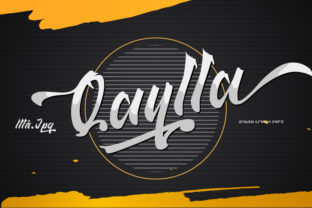
Sitting at my desk, I was tasked with redesigning the header for a lifestyle blog that had grown from a personal project into a full-fledged publication. The previous font felt too modern, too sterile—something that didn’t quite match the warm, nostalgic tone of the content. That’s when I stumbled upon Qaylla, a hand lettering calligraphy font inspired by 80s-90s music, retro, disco, grunge, and pop culture. It immediately felt like the right fit.
A Visual Character Rooted in Nostalgia
Qaylla carries a distinct personality that echoes the energy of an era defined by bold expression and artistic experimentation. Its curves are fluid yet confident, reminiscent of the brushstrokes you might find on a vintage poster or a concert flyer. The rhythm of the letters feels organic, as if each stroke was made with intention and flair. This makes it particularly appealing for editorial projects that aim to evoke emotion, nostalgia, or a sense of authenticity.
I tested it out on the blog header, using it for the main title and a subtitle. The result was striking—Qaylla added a layer of character that the previous sans-serif font lacked. It felt like a conversation starter, inviting readers to engage with the content on a more personal level.
Where Qaylla Shines in Editorial Layouts
Fonts like Qaylla are best suited for headlines, titles, pull quotes, and decorative accents rather than long-form reading. When used in moderation, it can elevate the visual hierarchy of a page without overwhelming the reader. For instance, in a digital magazine layout, I applied Qaylla to chapter openers and section headers, pairing it with a clean serif font for body copy. The contrast created a balanced, visually engaging flow.
In a recipe ebook I worked on recently, Qaylla was used for the title page and recipe names. It gave the cookbook a whimsical, almost artisanal feel that resonated well with its target audience. Similarly, for a wedding guide, it helped craft a romantic, celebratory mood that aligned perfectly with the theme.
Considerations for Readability and Use
While Qaylla is undeniably beautiful, it’s important to consider readability, especially for screen-based formats. Using it for longer blocks of text may reduce legibility, so it’s best reserved for shorter, impactful phrases. For print materials, however, its texture and style can be even more captivating, adding depth to the design.
When working with Qaylla, I always check for included styles, alternates, ligatures, weights, and multilingual support. These features can influence how versatile the font is across different projects. Also, ensuring commercial font licensing is appropriate for your use case—whether it's for ebooks, templates, or client work—is crucial to avoid any legal issues down the line.
Font Pairing and Brand Consistency
One of the joys of working with display fonts like Qaylla is how they can complement other typefaces. In the blog redesign, I paired Qaylla with a readable serif font for body copy and a minimalist sans serif for captions and navigation. This combination maintained brand consistency while ensuring the content remained easy to read.
For a printable planner, I used Qaylla for section headings and dates, then opted for a neutral sans serif for the weekly calendars. This approach kept the layout stylish yet functional, allowing users to focus on their tasks without distraction.
Real-World Application and Mood
Using Qaylla in a coaching workbook brought a sense of warmth and approachability to the content. It felt less corporate and more personal, aligning with the coaching brand’s mission. Similarly, in a newsletter graphic, the font helped establish a playful, engaging tone that encouraged reader interaction.
The key to success with Qaylla lies in understanding its mood and applying it thoughtfully. It’s not just about aesthetics—it’s about creating a visual narrative that supports the message and enhances the reader’s experience.
Whether you're designing a course PDF, a digital magazine, or a social media graphic, Qaylla offers a unique opportunity to infuse your work with a touch of retro charm and artistic flair. It’s a font that speaks to both the past and the present, making it a valuable addition to any designer’s toolkit.