Hakim: A Handwritten Font That Elevates Digital Branding
There’s something about a handwritten font that feels personal, like a signature on a letter or a note scribbled in the margins of a journal. When I first tested Hakim in a real website layout, it immediately stood out for its elegant brush strokes and natural flow. As a web designer who often works with brands looking to add warmth and character to their online presence, I was eager to see how this Script Amp font would perform in digital environments.
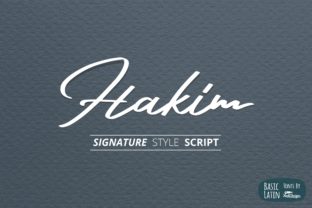
Hakim is an elegant handwritten brush font that brings a sense of luxury and creativity to any design. Its soft curves and gentle variations give it a unique personality that’s both inviting and professional. It’s perfect for projects such as logos, invitations, t-shirt designs, and more. In a digital context, it adds a human touch that can transform a cold, corporate site into something more relatable and memorable.
Testing Hakim in Real Web Layouts
I started by testing Hakim in a hero section of a boutique online store. The goal was to create a headline that felt warm and welcoming without losing readability. I placed the font over a full-width image banner with a subtle gradient overlay to ensure contrast. The result was striking—Hakim added just the right amount of visual interest without overwhelming the background.
Next, I experimented with using Hakim in a landing page headline for a creative portfolio site. The font’s fluidity made it ideal for short, impactful phrases like “Welcome to My World” or “Design with Purpose.” I paired it with a clean sans serif font for body copy, which helped maintain a balance between decorative and functional typography.
One thing I noticed was how well Hakim performed on mobile screens. Even at smaller sizes, the font remained legible and didn’t lose its charm. This makes it a great choice for responsive layouts where text needs to scale without sacrificing quality.
Where Hakim Shines in Web Design
Hakim excels in areas where a touch of elegance and personality is needed. Here are a few use cases where this font truly comes to life:
- Hero Sections: Use Hakim for headlines in hero sections to create a strong visual impact. It works especially well when paired with high-quality images or video backgrounds.
- Landing Pages: Apply it to call-to-action buttons or section headings to draw attention and encourage user interaction.
- Blog Headers: Add a creative flair to blog posts or article titles by using Hakim in headers or subheadings.
- Branded Content: Incorporate Hakim into digital brand kits, social media graphics, or promotional banners to reinforce brand identity.
It’s also worth noting that Hakim works well as a decorative accent rather than a primary body font. Its style is best suited for short phrases, names, and titles, making it ideal for logo design, taglines, or branding elements that need to stand out.
Readability and Practical Considerations
While Hakim is visually appealing, it’s important to consider readability in different contexts. For example, it may not be the best choice for long paragraphs or dense blocks of text. However, when used appropriately, it can enhance the visual hierarchy and make key messages more engaging.
I found that using Hakim on light backgrounds with sufficient contrast made it easier to read. On dark backgrounds, I recommend adding a subtle drop shadow or adjusting the font weight to improve legibility. Additionally, ensuring that the font is properly optimized for fast loading times is crucial, especially for sites with high traffic or performance-sensitive applications.
When pairing Hakim with other fonts, I suggest combining it with a simple sans serif font for body text. This creates a balanced look that maintains professionalism while still feeling approachable. For a more editorial feel, a clean serif font could work well alongside Hakim in a multi-font layout.
What to Watch Out For
Although Hakim is versatile, there are some limitations to keep in mind. It’s not recommended for very small text sizes, especially in navigation menus or form labels where clarity is essential. Similarly, avoid using it for technical documentation or interfaces that require high accessibility standards.
Before using Hakim on websites, client projects, or digital templates, it’s important to check the included styles, alternates, ligatures, swashes, weights, file formats, multilingual support, and commercial font licensing. Ensuring that the font is suitable for your specific use case will help you avoid any legal or technical issues down the line.
In summary, Hakim is a beautifully crafted font that brings a touch of elegance and personality to digital designs. Whether you’re working on a boutique online store, a coaching website, or a course sales page, this font can help elevate your brand’s visual identity and create a more engaging user experience. Just remember to use it thoughtfully and pair it with complementary fonts for the best results.