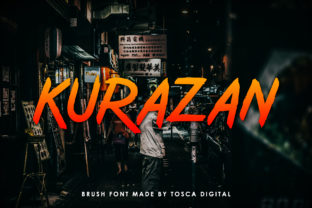
Kurazan: A Bold Script for Dynamic Editorial Designs
There’s something about the right font that can transform a design from ordinary to unforgettable. I was recently working on a lifestyle blog redesign, and as I scanned through my font library, Kurazan caught my eye. It wasn’t just another script font—it had a distinct rhythm and energy that felt perfectly suited for a project with a modern, active vibe.
Kurazan is a strong and dynamic script with harsh edges, making it ideal for editorial projects that demand attention. Its character is bold yet refined, offering a balance between visual impact and readability. Unlike many scripts that lean too heavily into cursive softness, Kurazan brings a sense of structure and edge that feels fresh in today’s design landscape.
A Font with Personality
What sets Kurazan apart is its ability to convey mood without being overwhelming. The sharp angles and deliberate strokes give it a confident presence, which makes it particularly effective for headlines, pull quotes, and section titles. It doesn’t shout, but it does command space—perfect for a magazine cover or an ebook title that needs to stand out.
In testing it for a digital magazine layout, I found that Kurazan worked beautifully as a header font. When paired with a clean sans serif like Helvetica Neue for body text, the contrast created a polished look that felt both professional and approachable. It added a touch of personality without sacrificing clarity.
Where Kurazan Shines in Real Projects
Kurazan isn’t just for headers. In a recent coaching workbook I designed, I used it for chapter openers and decorative accents. The font’s dynamic feel aligned well with the energetic tone of the content, helping to reinforce the message of growth and movement throughout the material.
For newsletter graphics, I experimented with using Kurazan in callout boxes and promotional banners. The result was striking—each element felt intentional, and the font helped guide the reader’s eye naturally through the layout. It also worked surprisingly well in print materials, where its crisp lines held up well even at smaller sizes.
However, it’s important to note that Kurazan may not be the best choice for long-form reading or dense paragraphs. Its expressive nature makes it more suitable for shorter, impactful text rather than body copy. For formal reports or academic publications, a more restrained typeface would likely serve better.
Practical Pairings and Considerations
When working with Kurazan, I’ve found that pairing it with a complementary serif or sans serif font helps maintain visual harmony. For instance, using a classic serif like Garamond alongside Kurazan in a recipe ebook gave the design a warm, inviting feel while keeping the typography balanced.
Another consideration is the font’s versatility across formats. Whether exporting to PDF, embedding in a website, or printing for physical distribution, Kurazan holds up well. It supports multiple weights and styles, allowing for subtle variations in emphasis and hierarchy without losing its core identity.
Before committing to Kurazan for a commercial project, it’s always wise to check the licensing terms, especially if you plan to use it in ebooks, templates, or paid downloads. Ensuring that you have the appropriate rights will save time and avoid potential issues down the line.
Conclusion
Kurazan is more than just a font—it’s a design tool that can elevate the visual storytelling of any editorial project. Whether you're crafting a blog header, designing a printable planner, or laying out a digital magazine, this dynamic script offers a unique way to express creativity while maintaining clarity and purpose. With thoughtful pairing and strategic use, Kurazan can become a trusted asset in your typography toolkit.