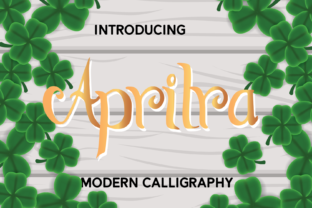
Amist: A Handwritten Font for Authentic Branding
I was staring at a blank brand board one morning, coffee in hand, trying to find the right voice for a new client’s project—a cozy café called “The Daily Grind.” The owner wanted something warm, inviting, and personal. That’s when I stumbled across Amist, a handwritten font from Script Amp, and it felt like the perfect match.
First Impressions of Amist
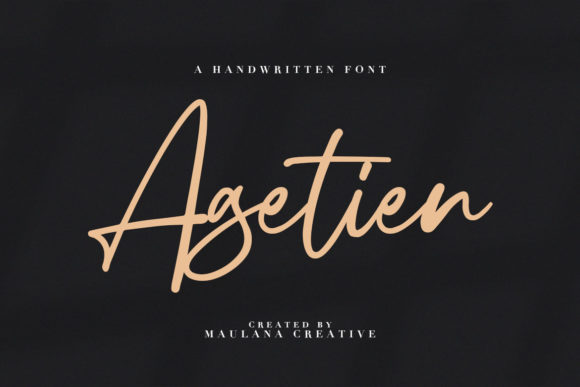
Amist has this soft, flowing feel that immediately made me think of handwritten notes or journal entries. It’s not too ornate, but there’s a real character to each letter. The strokes are gentle, with subtle variations in thickness that give it an organic, human touch. It reminded me of how people write when they’re relaxed, not trying too hard—something that feels authentic.
The personality of Amist is warm and approachable. It doesn’t scream for attention, which is great for logos that need to be both stylish and readable. I could see it working well for a brand that wants to convey creativity, comfort, or a personal touch.
Testing Amist in the Logo Mockup
I started by sketching out some logo ideas using Amist. I placed it over a simple coffee cup illustration and paired it with a clean sans-serif font for the supporting text. The contrast was nice—it gave the logo a balance between playfulness and professionalism.
I also tried it on a few different shapes, like circular badges and rectangular signs. Each time, Amist brought a sense of warmth that matched the café’s vibe. It wasn’t too formal, but it still looked polished enough for a storefront sign.
One thing I noticed early on was how well Amist worked with other fonts. When I paired it with a modern sans-serif, like Montserrat, the combination felt balanced. The script font took care of the main headline, while the sans-serif handled the details—like pricing or hours.
Using Amist Across Brand Materials
Once the logo was approved, I moved on to other brand elements. For the packaging design, I used Amist on the front of the coffee bags. It added a personal touch that made the product feel more handmade. I even tested it on label stickers and found that it looked great on small surfaces without losing its charm.
On social media graphics, I used Amist for captions and headlines. It stood out nicely against light backgrounds and didn’t get lost in the visuals. For Instagram posts, I paired it with a minimalist layout, and it really helped draw the eye to the message.
In the website header, I used Amist as the main title font. It gave the site a friendly, welcoming feel. I made sure to keep the rest of the body copy in a simpler font so the reader wasn’t overwhelmed. This way, Amist acted as a display font rather than a full-body typeface.
For printed materials like flyers and posters, I used Amist in short-form text, such as taglines or event names. It added a nice visual rhythm and helped break up the page without being distracting.
Design Observations and Practical Tips
One thing I learned while working with Amist is that it works best in short bursts. While it’s beautiful, using it for long paragraphs can be tiring on the eyes. That’s why I always recommend testing it in context before committing to a full brand system.
I also checked the font styles included with Amist. There were a few variations that allowed for slight adjustments in weight and style, which was helpful when designing for different mediums. For example, the bolder version worked well on signage, while the lighter version was better for digital use.
Another thing to consider is how the font looks in different colors and on various backgrounds. I tested it on white, cream, and dark tones and found that it adapted well. However, I did notice that it didn’t look as crisp on very busy patterns, so I kept it simple where possible.
If you’re thinking about using Amist for a client project, I’d suggest pairing it with a complementary serif or sans-serif font. This helps maintain readability while keeping the design cohesive. Also, make sure to check the licensing terms, especially if you're using it for commercial projects.
Final Thoughts on Amist
Overall, Amist proved to be a versatile and stylish choice for the café’s branding. It added a personal, handcrafted feel that resonated with the client’s vision. Whether you're designing for a boutique, skincare brand, or creative studio, Amist can bring a unique touch to your work.
It’s not just a font—it’s a tool that helps shape the tone of your brand. And when used thoughtfully, it can make all the difference in how your audience perceives your work.